
One of the most common concerns we hear from customers is: “Will the paint match?” It’s a valid worry. Nothing ruins an otherwise perfect repair like a fender that’s slightly different from the rest of the car. The good news is that modern paint matching technology, combined with skilled technicians, can achieve virtually invisible repairs.
But getting there isn’t as simple as looking up a color code. Here’s a behind-the-scenes look at how professional paint matching actually works—and why it’s more complex than most people realize.
Why Your Paint Code Isn’t Enough
Every vehicle has a paint code, usually found on a sticker in the door jamb or under the hood. You might think matching paint is as simple as ordering that code from a supplier. Unfortunately, it’s not that straightforward.
First, there’s factory variation. Manufacturers produce thousands of vehicles per day across multiple plants, and paint batches vary slightly. Two identical cars with the same paint code, built a week apart, might have subtle differences that are invisible individually but obvious when placed side by side.
Then there’s environmental exposure. The moment a car leaves the factory, its paint starts changing. Sun exposure causes fading, especially on horizontal surfaces like hoods and roofs. Road debris creates micro-scratches that affect how light reflects. Pollution, tree sap, and even car washes gradually alter the surface. A five-year-old car’s “red” isn’t the same red it was when new.
How We Achieve a Perfect Match
At Rogue Auto Body, we use a multi-step process to ensure your repair is invisible. It starts with spectrophotometer analysis—a device that reads the actual color of your vehicle’s current paint, not what it was when new. This handheld instrument measures how your paint reflects light across the color spectrum, capturing the exact shade, metallic content, and pearl effects.
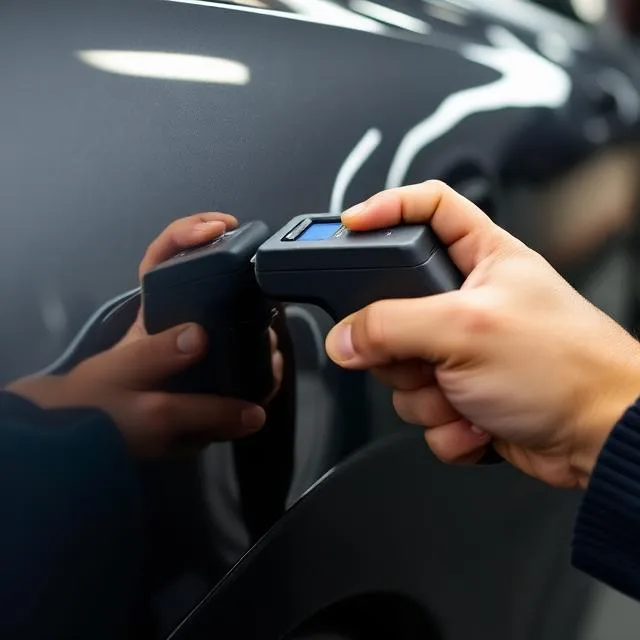
The spectrophotometer data feeds into a computerized paint mixing system that suggests formulas to match your specific vehicle. But technology only gets us about 90% of the way there. The final adjustments require an experienced painter’s eye.
Our painters create spray-out cards—test samples sprayed with the mixed paint—and compare them to your car under multiple lighting conditions. Fluorescent shop lights, natural daylight, and LED lighting all reveal different aspects of color. A match that looks perfect under one light source might show a noticeable difference under another. We check all three before applying paint to your vehicle.
The Secret Weapon: Blending
Even with perfect color matching, there’s another technique that separates professional repairs from obvious ones: panel blending. Rather than painting only the damaged panel with a hard edge where new meets old, skilled painters “blend” the new color into adjacent panels.
Here’s how it works: if your rear fender needs repainting, we don’t stop at the fender’s edge. We extend a gradual fade of the new paint onto the rear door, creating a seamless transition. The blend zone uses progressively thinner coats that merge invisibly with the original paint. This technique eliminates any chance of a visible color difference between panels.
Blending does mean painting more area, but the result is worth it. Without blending, even a technically perfect color match can look “off” because of differences in texture, gloss, or how the paint lays compared to factory application.
Challenging Colors and Finishes
Some colors are notoriously difficult to match. Tri-coat pearls and white pearls involve multiple layers—a base color, a pearl mid-coat, and a clear coat—each affecting the final appearance. The thickness and application of the pearl layer dramatically changes the color’s depth and “flip” (how it shifts in different lighting).
Metallic colors present their own challenges. The aluminum or mica flakes in metallic paint must be oriented correctly during application. If the spray technique isn’t right, the flakes lay at different angles than the original paint, causing the repair to look lighter or darker depending on viewing angle—even if the color itself is identical.
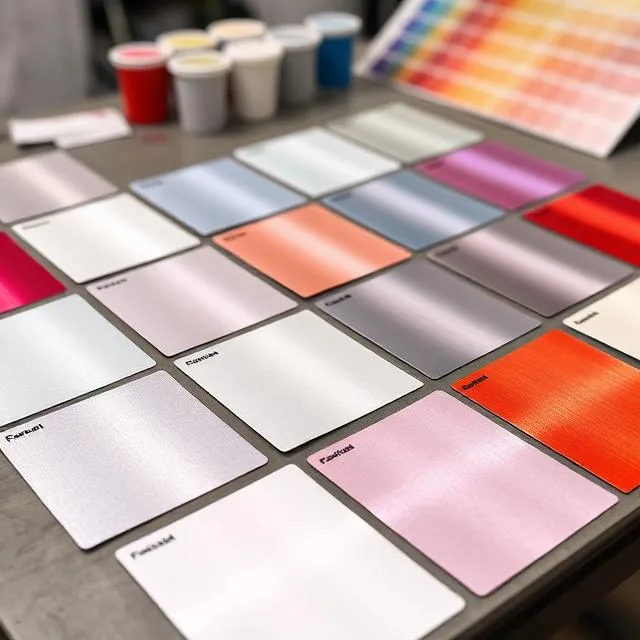
Solid colors like black, white, and red might seem simple, but they have their own issues. Black shows every flaw in surface preparation and application. White reveals undertone differences (blue-white vs. yellow-white) that are invisible in other colors. Red fades faster than other colors due to UV sensitivity, making older red vehicles particularly challenging to match.
What to Expect From a Professional Repair
A properly executed paint repair should be invisible under normal viewing conditions. You shouldn’t be able to spot the repair from a few feet away, and the color should remain consistent as you walk around the vehicle. The finish should have the same gloss and texture as the surrounding panels.
That said, perfection has limits. Under extreme scrutiny—direct sunlight at certain angles, or side-by-side comparison with an unpainted panel—very minor differences might be detectable. This is true even of factory paint between different panels. The goal is a repair that’s invisible in real-world conditions, and that’s what we deliver.
Caring for Your Repaired Paint
After a paint repair, the clear coat needs time to fully cure. We recommend waiting 30 days before waxing the repaired area. During this period, wash gently by hand if needed, avoid automatic car washes with harsh brushes, and don’t park under trees where sap can fall on the fresh paint.
Once cured, treat the repaired area like the rest of your car. Regular washing, occasional waxing, and keeping the car out of prolonged direct sunlight will help the repair—and your original paint—last for years.
Expert Paint Matching in Medford
At Rogue Auto Body, we’ve invested in the technology and training needed to deliver invisible paint repairs. Our computerized color matching system, professional spray booths, and experienced painters ensure your vehicle leaves looking like the damage never happened.
Whether you’re dealing with a small scratch or a full panel respray, we’ll match your vehicle’s exact color—not just the factory code, but your car’s actual current shade. Stop by for a free estimate and see the difference professional paint matching makes.
📞 (541) 770-2557 • 📍 943 Automation Way Suite K, Medford, OR 97504 • 🌐 rogueautobody.com