
Knowing what to do after a car accident in Medford, Oregon can protect your health, your legal rights, and your vehicle — but most drivers have never thought it through before the moment they need it. Oregon law imposes specific duties on drivers involved in a collision under ORS 811.700 and ORS 811.705, and failing to follow them can result in license suspension, fines, or a weakened insurance claim. This guide walks you through every step, from the first seconds at the scene to getting your vehicle repaired at a qualified Medford collision shop.
Step 1: Stop, Check for Injuries, and Secure the Scene
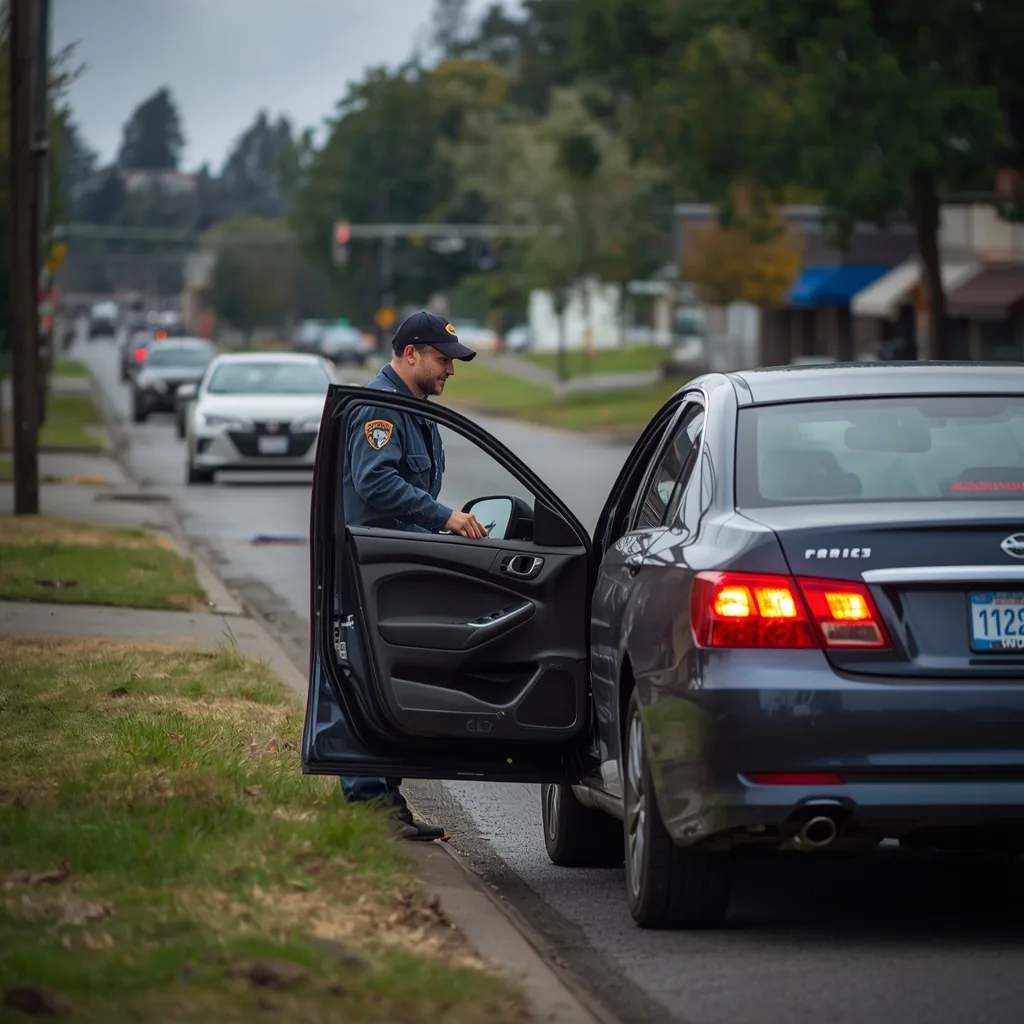
Oregon law requires you to stop immediately at or near the accident scene without blocking traffic. Turn on your hazard lights, check yourself and all passengers for injuries, and call 911 if anyone is hurt. Do not move a seriously injured person unless they face immediate danger. Your first legal duty is to remain at the scene and render reasonable aid.
Under ORS 811.700, leaving the scene of an accident involving injury, death, or property damage is a criminal offense in Oregon. Even in a minor fender bender on a busy Medford street like Biddle Road or Crater Lake Avenue, stopping is not optional. If traffic makes it unsafe to remain exactly where the collision occurred, move vehicles to the nearest safe location and stay there.
If the accident happened on I-5 near Medford or on a high-speed road, use extra caution when exiting your vehicle. Turn on hazard lights immediately, stay behind the guardrail if possible, and call 911 rather than attempting to direct traffic yourself.
Step 2: Call Police and Document Everything

Oregon law requires you to notify police when an accident results in any injury, death, or damage requiring a vehicle to be towed. In Medford, call the Medford Police Department non-emergency line for minor collisions at (541) 770-4783, or dial 911 for any accident involving injuries. While waiting, photograph everything — all vehicle damage, license plates, skid marks, road conditions, and the surrounding scene.
Document more than you think you need. Take wide shots of both vehicles showing their positions, close-ups of all visible damage, photos of any traffic signs or signals nearby, and images of the other driver’s license, registration, and insurance card. Time-stamped photos from your phone create a record that is difficult to dispute later.
Oregon is an at-fault state, meaning the driver responsible for the collision pays for resulting damages. Under Oregon’s modified comparative negligence rule, if you are found 50% or less at fault, you can still recover damages — but your compensation is reduced by your percentage of fault. Thorough documentation protects your position from the first moment.
Step 3: Exchange Information as Oregon Law Requires

Oregon Revised Statute 811.700 requires every driver involved in an accident to provide their name, address, driver license number, vehicle license plate number, and insurance company name and policy number to the other driver, passengers, and any injured pedestrians. This exchange is legally required — not optional — regardless of who caused the accident.
Beyond the legal minimum, gather the other driver’s phone number and photograph their driver license and insurance card rather than writing the information by hand. Get the names and contact information of any witnesses. Note the make, model, color, and year of all vehicles involved. If the other driver is uncooperative or leaves the scene, note their license plate and provide it to police immediately.
One important caution: do not admit fault at the scene, even casually. Oregon’s comparative negligence system means fault percentages are determined through the claims process. A casual apology can be used as an admission and reduce the compensation you are entitled to receive.
Step 4: Report the Accident to the Oregon DMV Within 72 Hours

Oregon law requires drivers to file an Oregon Traffic Collision and Insurance Report directly with the DMV within 72 hours if the accident caused any injury or death, damage exceeding $2,500 to any vehicle or property, or if any vehicle was towed from the scene. A police report filed at the scene does not satisfy this requirement — the DMV filing is separate and mandatory.
This is one of the most commonly missed steps after an accident in Oregon. Many Medford drivers assume that because law enforcement responded and filed a report, their obligation is complete. It is not. Failure to file the DMV report when required can result in suspension of your Oregon driver license. The form is available on the Oregon DMV website and can be submitted online, by mail, or in person at the Medford DMV office on Biddle Road.
Even if you are unsure whether your accident meets the $2,500 damage threshold, filing is the safer choice. Vehicle repair costs frequently exceed $2,500 even for damage that looks minor — a dented bumper with hidden sensor damage, for example, can easily reach that threshold once a professional estimate is completed.
Step 5: Notify Your Insurance Company Promptly

Contact your insurance company as soon as possible after the accident — ideally the same day. Oregon requires all auto insurance policies to include Personal Injury Protection (PIP) coverage with a minimum of $15,000, which covers your medical expenses and a portion of lost wages regardless of fault. Reporting promptly activates these benefits and starts the claims process.
Since Oregon is an at-fault state, if the other driver caused the accident you will ultimately file a claim with their insurance for vehicle repair and additional damages. Your own insurer can help navigate this process and advocate on your behalf. Provide your insurer with your documentation — photos, the police report number, witness contact information, and the other driver’s insurance details.
One important note: you are not legally required to speak with the other driver’s insurance company or provide a recorded statement to them. Your obligation is to your own insurer. If the at-fault driver’s insurance contacts you directly, you can decline to give a recorded statement until you have had time to consult with your own insurer or an attorney.
Step 6: Get a Professional Damage Assessment Before Driving Your Vehicle
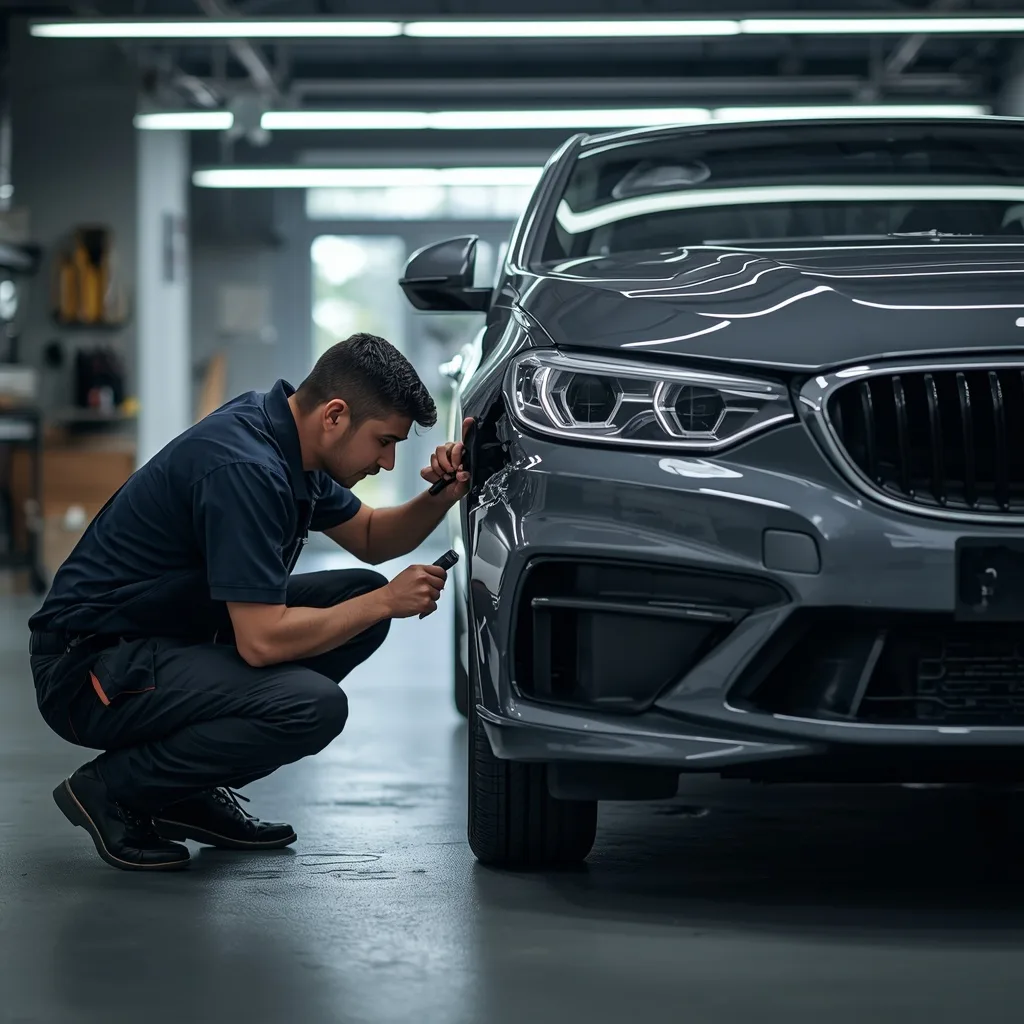
After an accident, visible damage often represents only part of what actually occurred. Modern vehicles have sensors, cameras, frame components, and safety systems that can be compromised in ways that are invisible without professional inspection. Driving a vehicle with undetected frame damage or disabled safety sensors creates real risk — and can complicate your insurance claim if additional damage is discovered later.
At Rogue Auto Body in Medford, we provide free damage assessments for accident-related repairs. Our technicians use computerized measuring systems to identify structural issues and check ADAS sensor function after any collision. We work directly with all major insurance companies and can communicate with your adjuster on your behalf — simplifying the process significantly. Visit our collision repair services page to learn more about what we inspect and repair.
Getting an estimate before your insurance adjuster inspects the vehicle also gives you an independent professional assessment to compare against the insurer’s evaluation. If the adjuster’s estimate misses damage — which happens in roughly 70% of collision repairs once disassembly begins — your shop can submit a supplemental claim to cover the additional work.
How Rogue Auto Body Helps Medford Drivers After an Accident
Rogue Auto Body at 943 Automation Way Suite K, Medford, OR 97504 handles collision repairs for drivers throughout the Rogue Valley — Medford, Ashland, Central Point, Jacksonville, and beyond. We work with all insurance companies, provide free estimates, coordinate rental car coverage, and keep you informed at every stage of the repair. Call us at (541) 770-2557 or visit rogueautobody.com to schedule your free assessment.
An accident is stressful enough without navigating the repair process alone. Bring your vehicle to us and we will handle the insurance side so you can focus on getting back to your routine.