
ADAS calibration Medford OR drivers need after a collision is one of the most misunderstood and most commonly skipped steps in modern vehicle repair — and skipping it can leave your safety systems compromised even when your car looks completely fixed. As vehicles equipped with cameras, radar sensors, and driver assistance technology become the norm on Rogue Valley roads, proper calibration after any collision repair has become as essential as straightening the frame or matching the paint.
What ADAS Calibration Medford OR Drivers Need to Understand
ADAS calibration is the process of resetting your vehicle’s safety system sensors — cameras, radar, and lidar — to factory specifications after a collision repair. Without proper calibration, systems like automatic emergency braking, lane departure warning, and blind-spot monitoring may function incorrectly or not at all, creating a hidden safety risk even when your car looks fully repaired.
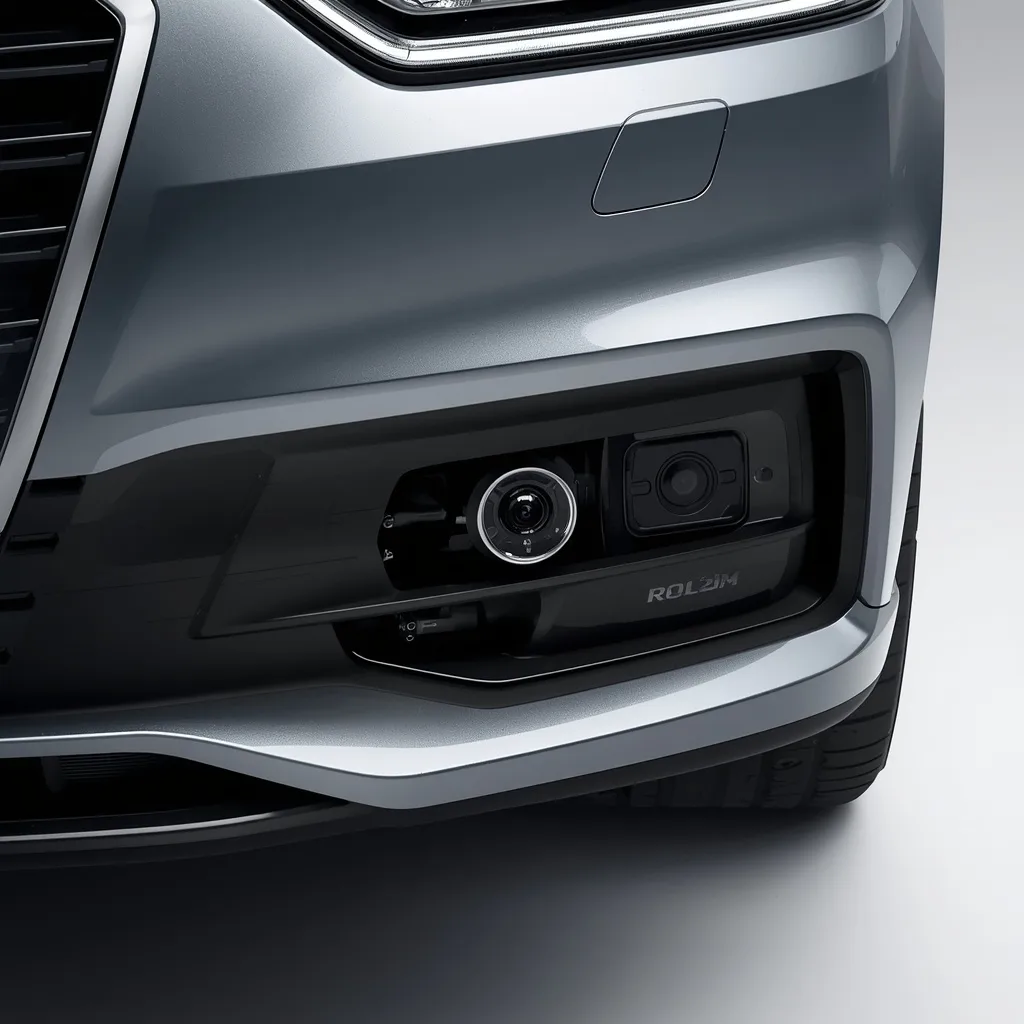
ADAS stands for Advanced Driver Assistance Systems — the collection of cameras, radar units, ultrasonic sensors, and control modules that power features like automatic emergency braking, lane departure warning, blind spot monitoring, and adaptive cruise control. These systems are now standard equipment on most new vehicles. In 2026, industry data shows that approximately 65% of collision repairs require at least one ADAS calibration procedure — a figure that has grown dramatically as newer vehicles enter the road in greater numbers.
What makes ADAS systems different from traditional mechanical components is their extreme sensitivity to position. Each sensor is mounted at a precise angle and distance, calibrated at the factory to read the road accurately within very tight tolerances. A forward-facing camera misaligned by just 0.6 degrees can reduce automatic emergency braking reaction time by 60%, according to research from the Insurance Institute for Highway Safety. That kind of degradation happens silently — no warning light, no obvious malfunction — while the system continues to operate in a compromised state.
Calibration is the process of resetting those sensors back to manufacturer specifications after any repair, replacement, or structural change that may have affected their position. It is not a diagnostic scan, and it is not the same as clearing a warning light. Proper calibration requires specialized equipment, controlled conditions, and in many cases a road test to verify the system is reading real-world inputs correctly.
Which Repairs Trigger ADAS Calibration Requirements
Any repair that affects the mounting position of a sensor requires recalibration. This includes windshield replacement, front or rear bumper work, wheel alignment, suspension repair, and any collision damage near a sensor mounting location. Rogue Auto Body evaluates every repair for ADAS calibration requirements before returning your vehicle.
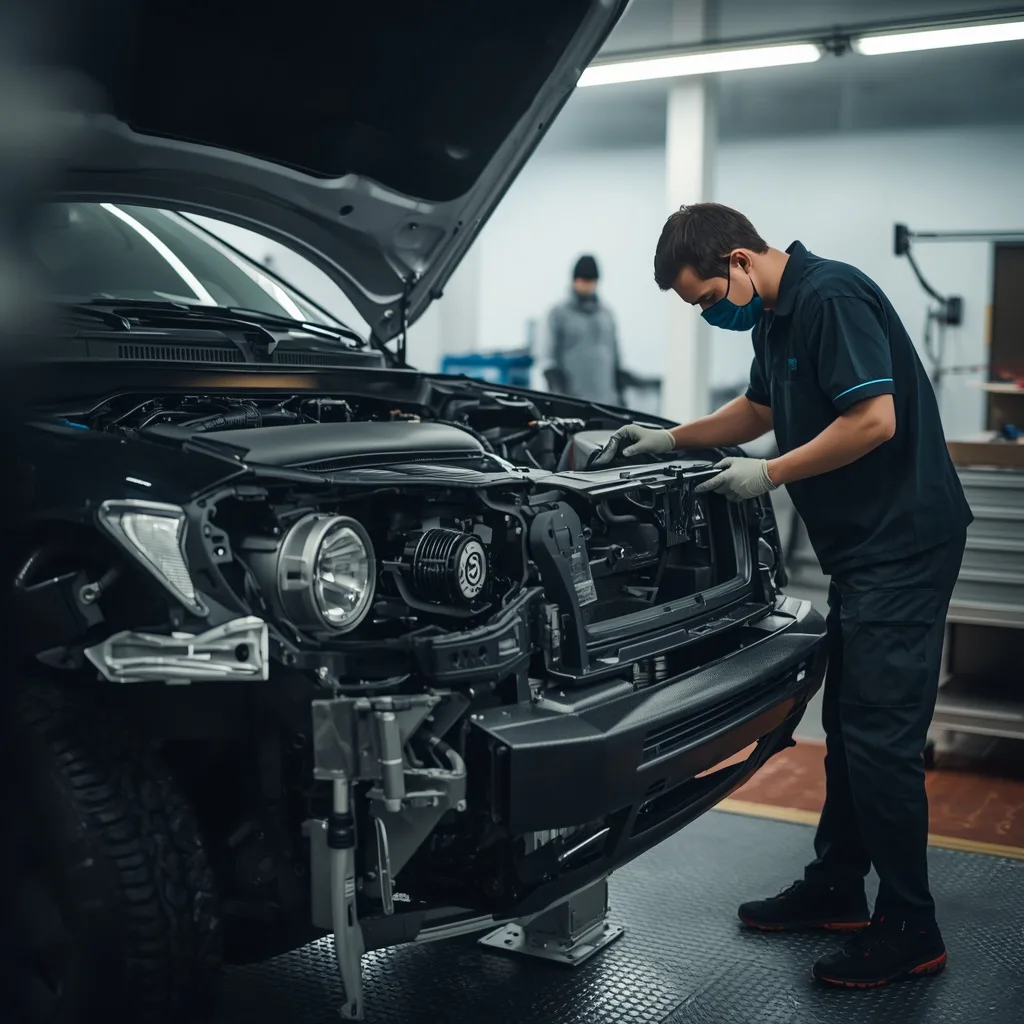
Many drivers assume ADAS calibration only applies to serious accidents. The reality is that calibration is triggered by a wide range of common repairs, including many that appear minor on the surface. Any repair that directly involves sensor components or affects the geometry those sensors depend on requires calibration before the vehicle is returned to service.
Front-end repairs are the most common calibration trigger. Bumper replacement or repair, grille work, and headlight replacement can all disturb radar sensors and forward-facing cameras. Windshield replacement is actually the single most frequent calibration trigger across the industry — most forward collision warning cameras mount directly to the windshield or its bracket, and even a small shift in glass position affects camera aim. Rear bumper work affects parking assist sensors and blind spot monitoring radar units. Side mirror replacement can require calibration of surround-view camera systems.
Frame straightening and unibody repairs affect the physical reference points that sensors rely on for their angle and positioning. Wheel alignment changes the thrust angle the vehicle tracks, which alters how forward-facing sensors interpret the road ahead. Suspension repairs that change ride height shift sensor viewing angles. Any structural repair that moves a sensor mounting point — even by a fraction — requires verification that the system still meets manufacturer specifications. At Rogue Auto Body, we assess calibration requirements at the start of every repair, not as an afterthought when we’re handing back the keys.
Static vs. Dynamic Calibration: What the Process Actually Involves
Static calibration is performed in a controlled shop environment using precise targets and measurement equipment — required for most camera-based systems. Dynamic calibration involves driving the vehicle under specific conditions while the system resets itself. Some vehicles require both. Rogue Auto Body is Tru-Point Calibration certified and performs both types at our Medford facility.
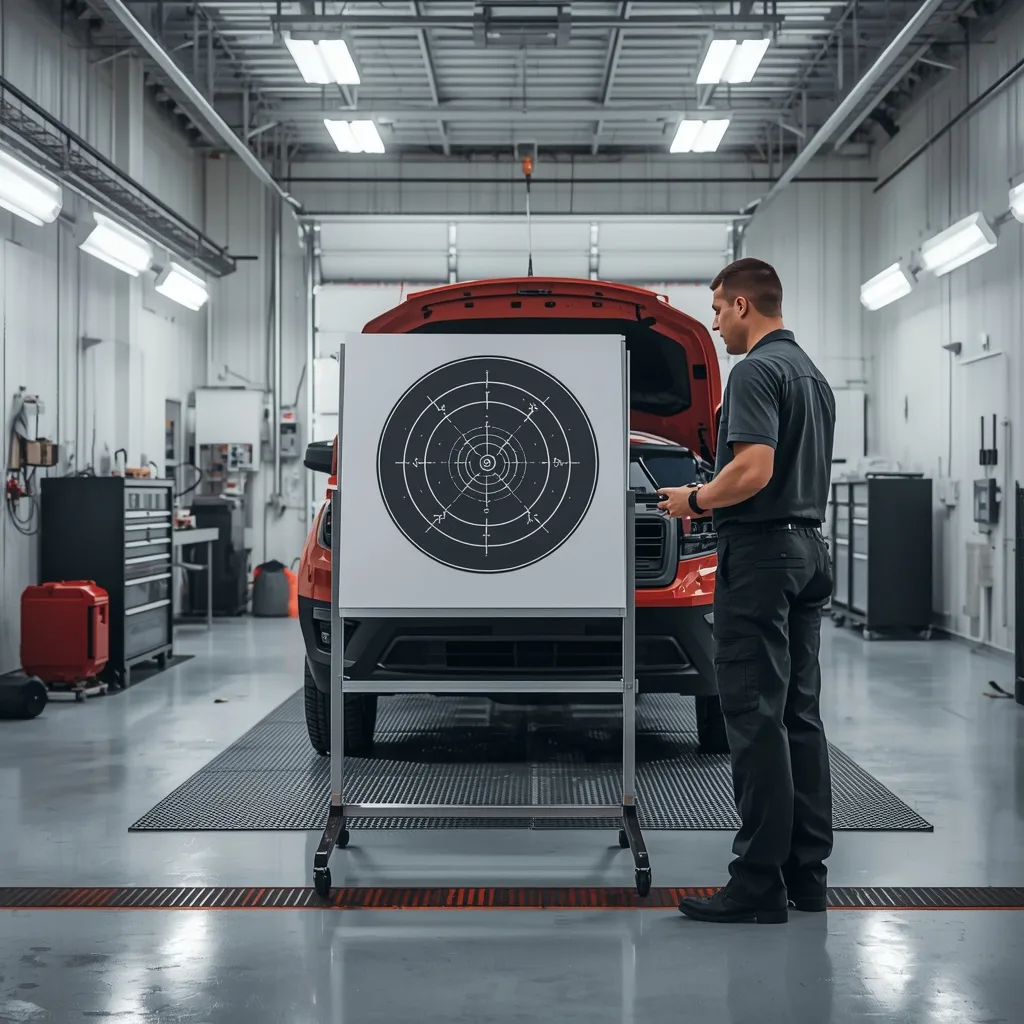
ADAS calibration is not a single procedure — it varies by system, vehicle manufacturer, and the type of sensor involved. Understanding the difference between static and dynamic calibration helps explain why the process takes the time it does and why it requires a properly equipped facility.
Static calibration is performed inside the shop with the vehicle stationary on a level surface. The technician positions calibration targets — large, precisely measured boards or patterns — at exact distances and heights in front of or around the vehicle. The shop environment must meet specific requirements: controlled lighting, no reflective surfaces, and enough clear space for the targets to be positioned correctly. The vehicle’s alignment must be confirmed before static calibration begins, since any remaining pull or drift affects how sensors read the targets. Static calibration applies to forward-facing cameras, some radar units, and surround-view systems.
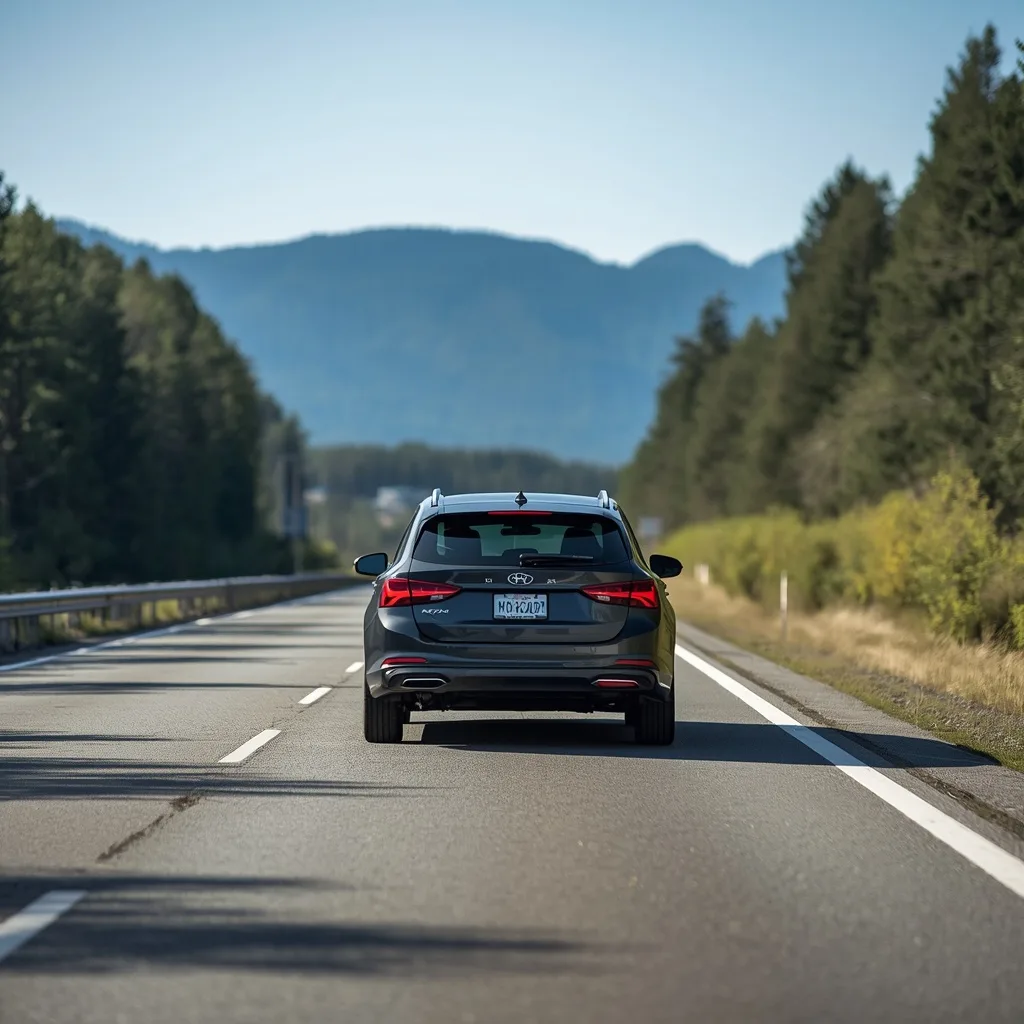
Dynamic calibration requires the vehicle to be driven under specific real-world conditions so the system can relearn its environment and verify sensor accuracy against actual inputs. This typically involves driving at highway speeds on a road with clear lane markings while the calibration software monitors system readings. Some manufacturers specify both static and dynamic procedures for the same system. Rogue Auto Body is Tru-Point Calibration Certified, which means our technicians have the equipment and training to perform both types of calibration correctly and document the results for your records and insurance purposes.
Why Skipping Calibration Creates Real Safety and Liability Risk
A miscalibrated automatic emergency braking system may not detect obstacles at the correct distance. A misaligned lane departure camera may trigger false alerts or miss actual lane departures. These are not minor inconveniences — they are safety failures that can cause accidents. Skipping calibration also creates liability exposure if a miscalibrated system contributes to a subsequent collision.
Returning a vehicle to a driver without completing required ADAS calibrations is not just an oversight — it creates measurable safety risk and potential liability for everyone involved. Industry research indicates that technicians miss approximately 88% of needed ADAS calibrations during vehicle repairs when shops do not have systematic processes for identifying what is required. That statistic reflects shops that may not have the equipment, training, or workflow to handle modern calibration demands.
From a driver’s perspective, the risk is straightforward: you leave the shop with a car that looks repaired, and you trust your safety systems to work when you need them. If a forward collision warning fails to respond correctly because a camera wasn’t calibrated after a bumper replacement, the consequences can be severe. The system will appear to function — no warning lights, no obvious issues — until the moment it fails to perform in an emergency situation.
Federal legislation is catching up to this reality. In May 2026, the U.S. House Committee on Energy and Commerce passed H.R. 7389, the Motor Vehicle Modernization Act of 2026, which incorporates the ADAS Functionality and Integrity Act. The bill directs NHTSA to establish calibration testing guidelines and tolerances — a signal that federal standards for post-repair calibration verification are coming. Oregon drivers can track the bill’s progress at congress.gov. For now, the responsibility falls on repair facilities and vehicle owners to ensure calibration is completed and documented.
How Rogue Auto Body Handles ADAS Calibration in Medford
Rogue Auto Body is Tru-Point Calibration certified and handles ADAS recalibration in-house at our Medford facility. We evaluate calibration requirements for every repair involving sensors, coordinate with your insurance carrier for coverage, and provide documentation confirming all systems were calibrated to manufacturer specifications before your vehicle is returned.
Rogue Auto Body at 943 Automation Way Suite K, Medford OR 97504 is Tru-Point Calibration Certified, which means we have the equipment, training, and documented procedures to perform ADAS calibration correctly and verify the results. We assess calibration requirements during the initial inspection of every vehicle — not as an add-on at the end of the repair — so there are no surprises for you or your insurance company when the job is complete.
We work directly with all major insurance companies and document every calibration procedure performed, giving you a complete record of what was done and confirmation that your vehicle’s safety systems meet manufacturer specifications when it leaves our shop. Visit our collision repair services page to learn more about our calibration capabilities, or call us at (541) 770-2557 to schedule a free assessment. If your vehicle has been in a collision and you’re not sure whether calibration was performed or completed correctly, we can inspect it and let you know exactly where things stand.