
When your vehicle needs collision repair, one decision significantly affects both cost and quality: what type of parts should be used? You’ll typically have three options—OEM, aftermarket, and recycled parts. Each has legitimate advantages and drawbacks, and the right choice depends on your priorities, your vehicle, and the specific repair.
At Rogue Auto Body, we work with all three types and can help you understand which makes the most sense for your situation. Here’s what you need to know.
OEM Parts: The Factory Standard
OEM parts are manufactured by your vehicle original maker and guaranteed to fit precisely and meet factory safety standards. They cost 30 to 50 percent more than alternatives but preserve your factory warranty and maintain resale value. For vehicles under manufacturer warranty or with complex safety systems, OEM is almost always the right choice for long-term value.
OEM (Original Equipment Manufacturer) parts are made by your vehicle’s manufacturer or their authorized suppliers—the same companies that made the original parts on your car. When you buy an OEM fender for a Toyota, it comes from Toyota or their contracted supplier using the same specifications, materials, and quality standards as the original.
The primary advantage of OEM parts is guaranteed fit and finish. They’re designed specifically for your vehicle, so panel gaps align perfectly, mounting points match exactly, and paint compatibility is assured. There’s no guesswork—the part will fit like the original because it essentially is the original.
OEM parts also typically come with a manufacturer warranty, usually one year for most components. For newer vehicles still under factory warranty, using OEM parts ensures you won’t void any coverage. And when it comes time to sell, repairs documented with OEM parts generally preserve resale value better.
The downside is cost. OEM parts typically run 30-50% more than aftermarket alternatives, sometimes even higher. A bumper cover that costs $300 aftermarket might be $600 or more from the dealer. For older vehicles or when budgets are tight, this premium may not be justified.
Aftermarket Parts: The Budget-Friendly Option
Aftermarket parts are made by third-party manufacturers and vary widely in quality and fit. The best aftermarket parts meet or exceed OEM standards while the worst can require modification to fit and may affect your vehicle safety ratings. Rogue Auto Body only uses aftermarket parts from reputable suppliers with verified quality certifications when they are the right choice.
Aftermarket parts are made by third-party manufacturers, not your vehicle’s maker. These companies produce parts designed to fit and function like OEM components but at lower prices. The aftermarket industry is massive—it supplies everything from fenders and hoods to mirrors and headlights.
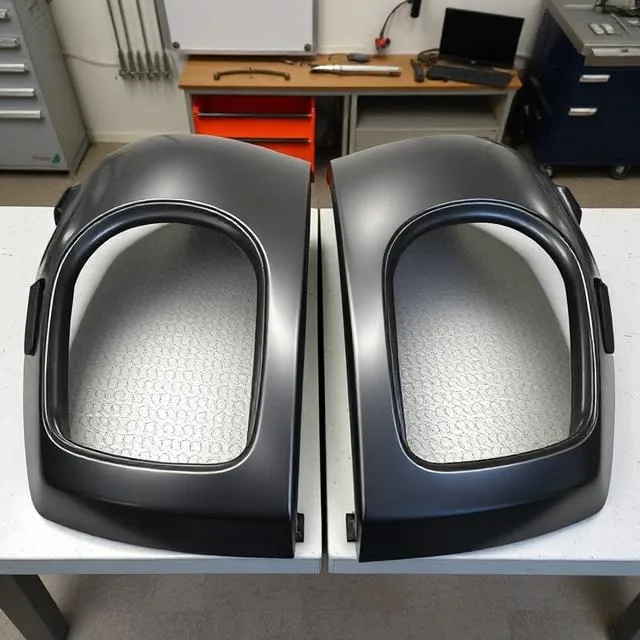
The biggest advantage is price. Aftermarket parts often cost 30-50% less than OEM, which can mean hundreds of dollars in savings on a typical repair. For cost-conscious repairs or older vehicles, this makes a real difference.
Quality varies significantly in the aftermarket world. Some aftermarket manufacturers produce parts that are virtually indistinguishable from OEM—same materials, same fit, same durability. Others cut corners with thinner metal, lower-grade plastics, or less precise manufacturing tolerances. The challenge is that it’s hard to know which you’re getting until the part arrives.
Fit issues are the most common complaint with aftermarket parts. A hood might require extra adjustment to align properly. A bumper cover might have slightly different mounting points. An experienced body shop can usually work around these issues, but it takes extra time—and time is labor cost. Sometimes aftermarket “savings” disappear when you factor in additional labor to make the part fit correctly.
Recycled Parts: Quality at a Discount
Recycled parts are OEM components salvaged from other vehicles offering the same manufacturer specifications at lower cost. For many repairs, a quality recycled part from a vehicle with low mileage is indistinguishable from new OEM. Rogue Auto Body evaluates each recycled part individually before use and covers all parts under our unlimited lifetime warranty regardless of type.
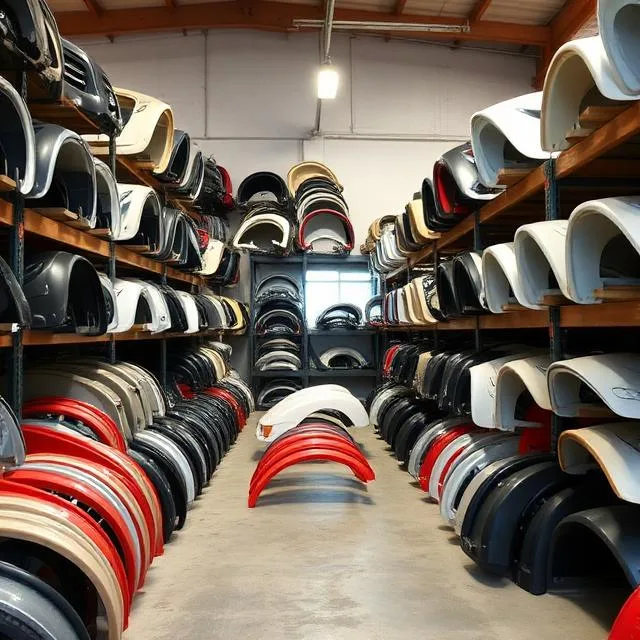
Recycled parts (also called salvage, reclaimed, or used parts) come from vehicles that have been totaled or dismantled. A car might be written off due to rear-end damage, but its front fenders, hood, and doors could be in perfect condition. Recyclers harvest these good parts and resell them.
The appeal is getting genuine OEM parts at aftermarket prices—sometimes even less. A recycled door from the same make, model, and year as your car is exactly the same part that’s on your vehicle now. Fit is guaranteed because it’s the actual original part.
Recycled parts are also the environmentally friendly choice. Reusing existing parts reduces manufacturing demand and keeps usable components out of landfills. If sustainability matters to you, recycled parts align with those values.
The limitations are availability and condition. The exact part you need—right color, right year, undamaged—may not be available in the recycled market. Parts may have minor wear, small scratches, or faded paint that requires refinishing. Mechanical components from salvage vehicles may have unknown history. Reputable recyclers grade their parts and offer warranties, but it’s still a used part with some inherent uncertainty.
Making the Right Choice for Your Situation
The right part depends on your vehicle age, warranty status, insurance coverage, and repair budget. A 2024 vehicle under factory warranty warrants OEM parts. A 2016 vehicle with high mileage and liability-only coverage may be best served by quality aftermarket or recycled parts. Rogue Auto Body walks every customer through the options before any work begins.
Choose OEM when your vehicle is newer (under 3-4 years old), still under factory warranty, a luxury or high-end model, or when you’re concerned about maintaining resale value. OEM parts are also the safest choice for structural components and safety systems where precise fit is critical.
Consider aftermarket when your vehicle is older, budget is your primary concern, and the parts needed are simple body panels like fenders, bumper covers, or hoods. Avoid aftermarket for complex parts like headlight assemblies with integrated electronics or structural components.
Recycled parts make sense when the exact part is available in good condition, especially if it’s already the right color and doesn’t need refinishing. They’re ideal for older vehicles, discontinued models, or when you want OEM quality without OEM prices. Just ensure you’re buying from a reputable recycler with a warranty.
What About Insurance Requirements?
Oregon law requires insurers to disclose when non-OEM parts are specified in a repair estimate. You have the right to request OEM parts and pay the difference out of pocket. Rogue Auto Body helps customers understand exactly what their insurance covers and what the cost difference would be for upgrading to OEM parts on their specific repair.
Insurance companies often specify aftermarket or recycled parts in their estimates to reduce claim costs. In Oregon, insurers must disclose when non-OEM parts are being used, and you have the right to request OEM parts—though you may need to pay the price difference yourself.
If your policy includes an “OEM endorsement” (sometimes available as an add-on), your insurer will pay for original manufacturer parts. Check your policy or ask your agent. For newer vehicles, this endorsement can be worth the small additional premium.
At Rogue Auto Body, we can advocate on your behalf with insurance companies when we believe OEM parts are necessary for a proper repair—particularly for structural components or when aftermarket fit issues would compromise the repair quality.
Our Approach to Parts Selection
At Rogue Auto Body in Medford we recommend parts based on what is genuinely best for your specific vehicle rather than what is most convenient or profitable. We explain every option, provide the cost difference, and let you make an informed decision. All parts used in your repair are covered under our unlimited lifetime warranty regardless of whether they are OEM, aftermarket, or recycled.
We don’t push one type of part over another. Instead, we explain your options honestly and help you make an informed decision based on your priorities. For every repair, we’ll discuss what parts are available, the price differences, and our professional recommendation based on your specific vehicle and situation.
Regardless of which parts you choose, we stand behind our work with a lifetime warranty on all repairs. If a part fails or a fit issue develops, we’ll make it right.
Get Expert Advice on Your Repair
Choosing the right parts doesn’t have to be confusing. At Rogue Auto Body, we’ll walk you through your options, explain the tradeoffs, and help you make the choice that’s right for your vehicle and budget. Stop by for a free estimate—we’ll show you exactly what parts your repair needs and give you options.
📞 (541) 770-2557 • 📍 943 Automation Way Suite K, Medford, OR 97504 • 🌐 rogueautobody.com