
Highway 62 rock chips Crater Lake drivers bring back are practically a rite of passage for anyone who makes the 60-mile run from Medford up to the park. The Crater Lake Highway is one of Southern Oregon’s great drives — climbing from the Rogue Valley floor through old-growth forest, past natural bridges and waterfalls, up to the caldera rim at over 6,000 feet. It is also one of the most reliably chip-producing routes in Jackson County, a mix of logging truck traffic, summer road maintenance, and long stretches of exposed two-lane highway that sends gravel flying at speed. Here is what Medford drivers need to know about protecting their vehicles — and fixing the damage when it happens anyway.
Why Highway 62 Rock Chips Are So Common on the Crater Lake Run
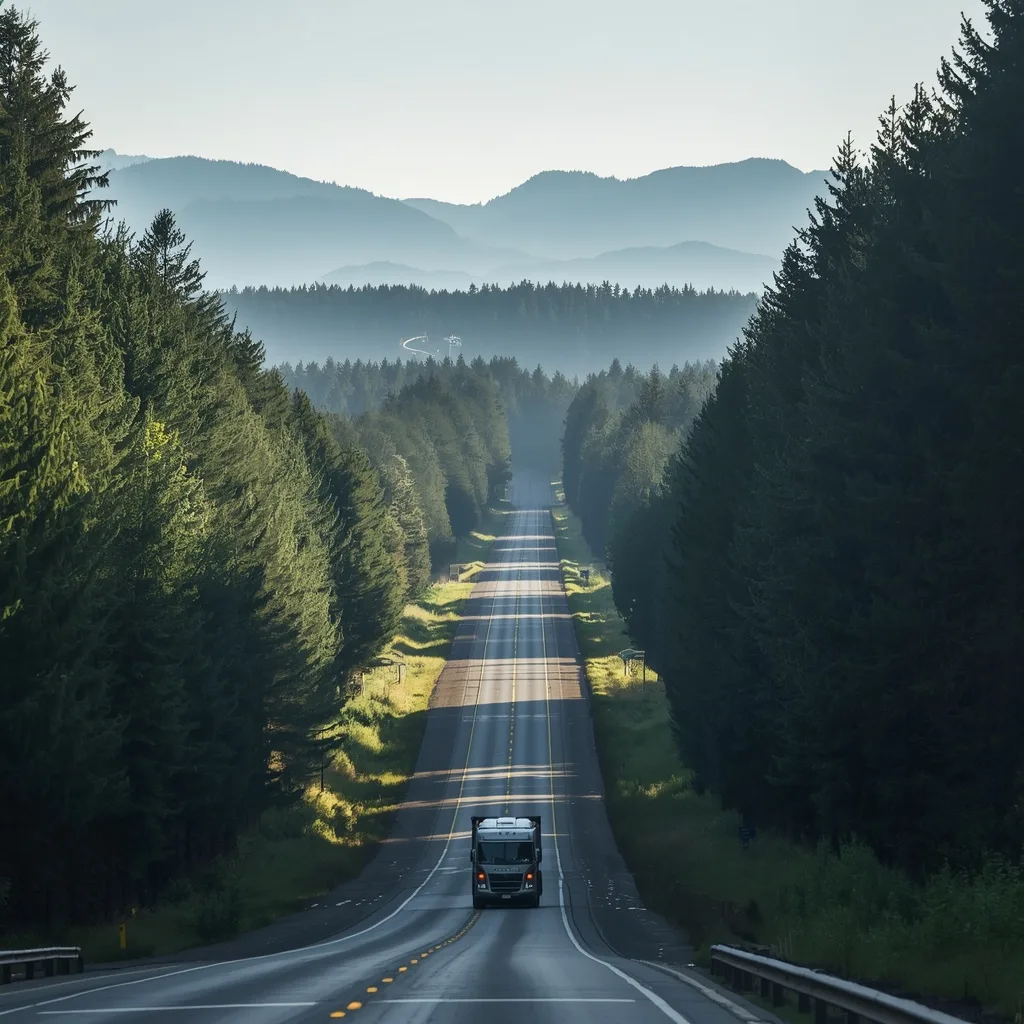
Highway 62 is not a simple scenic two-lane — it is a working road. The route handles logging truck traffic out of the Rogue River-Siskiyou National Forest, construction and utility vehicles servicing the communities along the corridor from White City through Eagle Point, Shady Cove, and Prospect, and in summer, a steady stream of RVs, trailers, and tourist vehicles heading to Crater Lake National Park. Summer daily traffic on the highway can reach several times the winter baseline, and all of it shares the same pavement.
The chip risk is not uniform along the route. The White City to Eagle Point stretch sees the heaviest logging truck concentration — these vehicles carry unsecured loads and throw significant debris at highway speeds. The Prospect area around the 45-50 mile mark is where the road narrows, shoulders turn to gravel, and passing zones become limited. The final approach to the park boundary is where summer road maintenance crews most frequently apply loose chip seal — a temporary road surface treatment that can leave loose gravel across the full lane width for days after application. TripAdvisor reviewers and longtime locals have noted for years that driving this section during or immediately after maintenance work is particularly hard on paint and windshields.
Speed compounds all of it. The physics of Highway 62 rock chips Crater Lake drivers accumulate are straightforward: impact energy increases with the square of velocity. A stone kicked up at 55 mph hits with roughly four times the force of the same stone at 25 mph. On a route where you are maintaining highway speed for 60 miles behind mixed traffic, the cumulative exposure is significant even if each individual impact seems minor.
What Highway 62 Rock Chip Damage Actually Looks Like
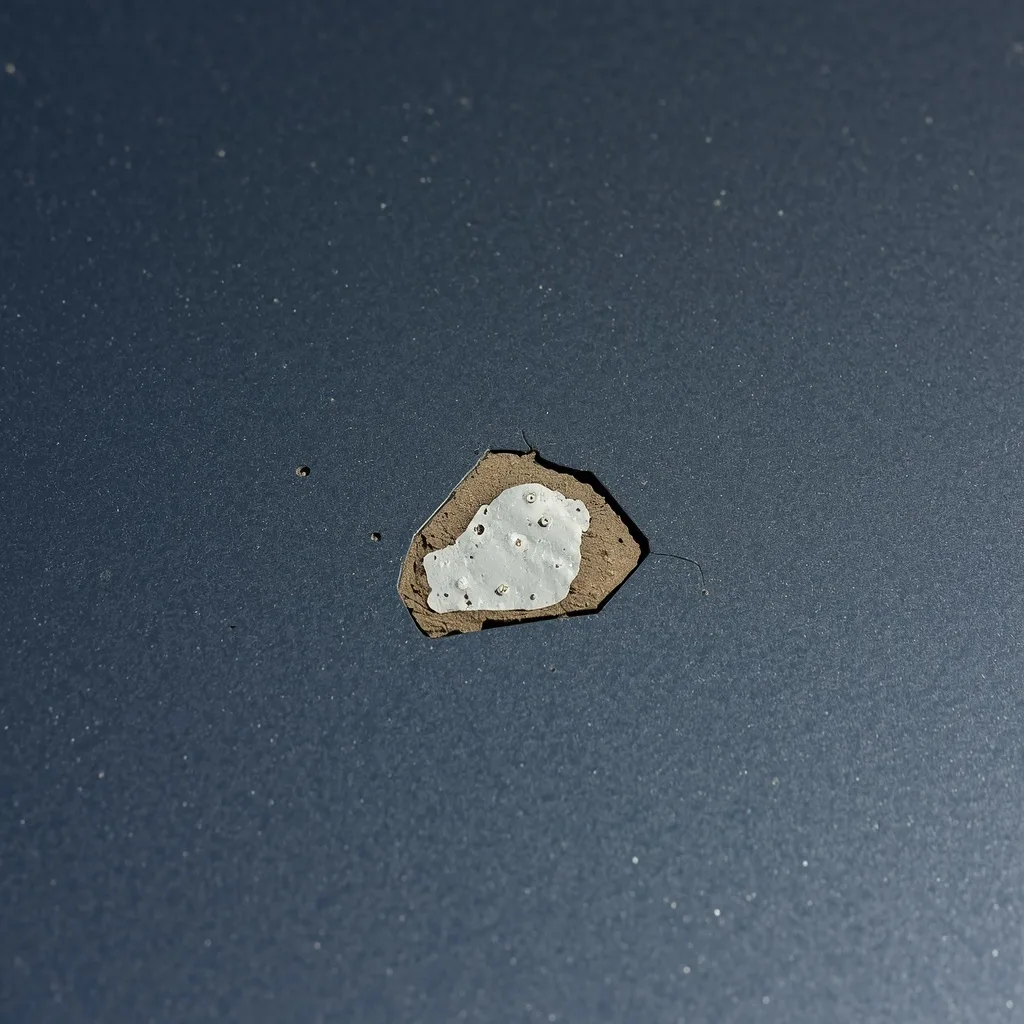
Rock chip damage on Highway 62 comes in several forms depending on what hit your vehicle and at what speed. The most common is a small circular chip — typically 2-8mm — where a stone has punched through the clear coat and color coat and sometimes down to primer or bare metal. These appear most frequently on the front of the hood, the leading edge of the fenders, the front bumper cover, and the lower sections of the front fascia. Mirror housings and A-pillars also take hits on longer runs.
Windshield chips are a separate category. A stone strike on glass either leaves a small pit — often repairable — or causes a star fracture that may spread. The difference matters because a repairable chip costs significantly less than a full windshield replacement and is often covered with no deductible under Oregon comprehensive policies. The window for repair is short: once a chip develops a crack that extends to the edges of the glass or grows beyond a certain size, replacement is the only option. Temperature swings between hot summer days and cool Rogue Valley nights expand chips quickly, so a chip you bring back from Crater Lake on Saturday can become a crack by Tuesday.
Paint chips that reach bare metal carry a specific risk in Southern Oregon. Our wet winters — typically November through March — expose any bare metal to weeks of sustained moisture. Rust can begin forming in bare metal chips within months during a rainy season. What was a cosmetic chip in August becomes a rust spot requiring more involved repair by spring. The timing of a Crater Lake road trip and the start of Rogue Valley rainy season is uncomfortably close.
How to Reduce Rock Chip Risk on the Highway 62 Run
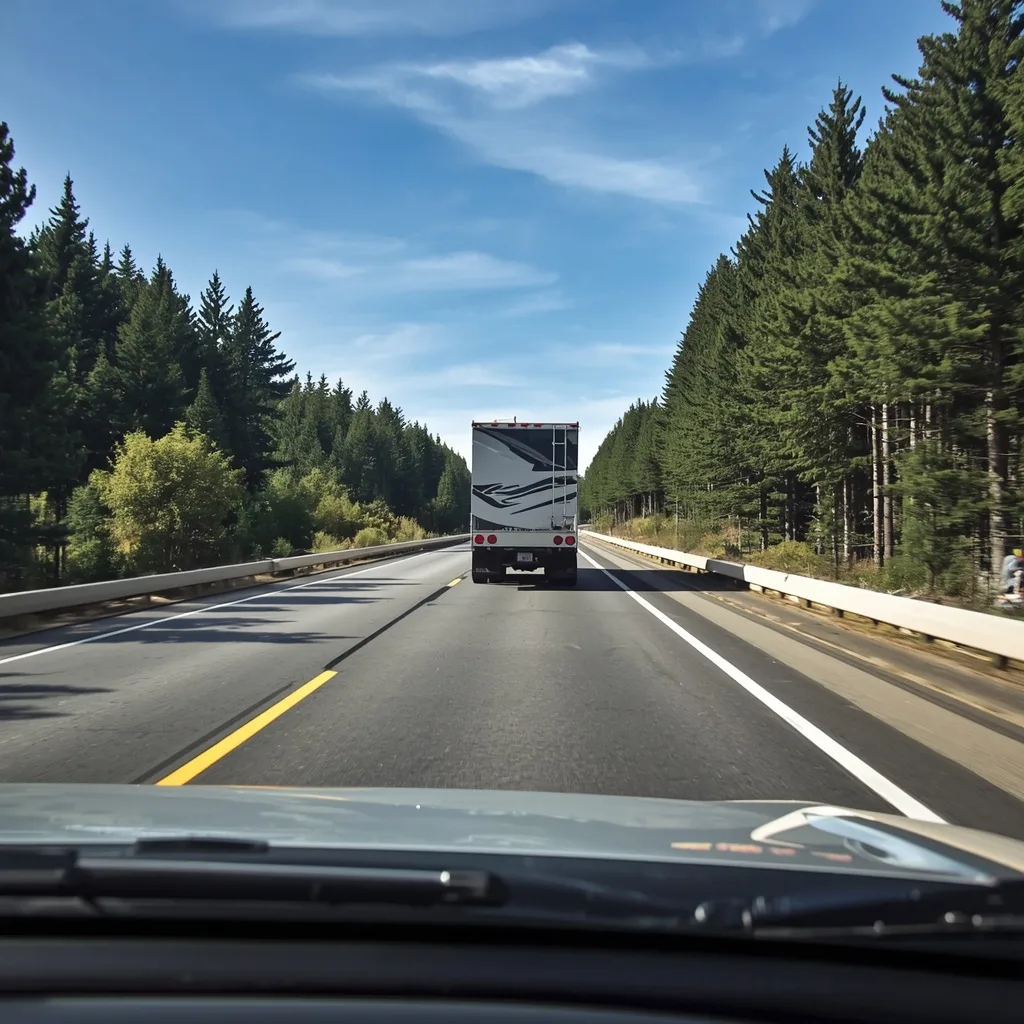
You cannot eliminate chip risk on Highway 62, but you can reduce it substantially with a few driving adjustments. Following distance is the single most effective variable under your control. Staying 4-6 car lengths behind any large vehicle — logging trucks, RVs, flatbeds — dramatically reduces the debris that reaches your vehicle. The temptation to close the gap behind a slow RV on a passing zone is real, but the chip damage that results is also real. On a 60-mile route, patience costs very little time.
Timing your trip also matters. Weekend afternoons in July and August are peak traffic periods on Highway 62, with tourist and RV traffic at its highest. Early morning departures on weekdays significantly reduce your exposure to the heaviest vehicles. Check ODOT TripCheck before leaving — the Oregon Department of Transportation posts active road maintenance work on OR-62, and knowing whether chip seal application is underway in a particular segment lets you decide whether to delay the trip by a day.
If you make this drive regularly — several times a summer, or as part of an annual trip to the park — paint protection film on the leading surfaces is worth serious consideration. Clear film on the front half of your hood, the bumper cover, and the mirror caps provides physical barrier protection that deflects or absorbs impacts that would otherwise chip through to paint. Unlike ceramic coating, which adds hardness and scratch resistance but does not prevent chips, film is a sacrificial layer designed specifically for this kind of road debris exposure. It is replaceable when it sustains too many impacts. Your paint underneath it is not.
Fixing Rock Chip Damage From the Crater Lake Run

When you get back from Crater Lake and find chips in your hood, the decision is straightforward: address any chip that has reached bare metal before rainy season, and get windshield chips repaired within a week or two before they spread. The question is how — DIY touch-up paint or professional repair.
DIY touch-up paint is better than leaving bare metal exposed, but it has significant limitations. Factory touch-up paint is mixed to match your vehicle’s original color code, not your car’s actual current paint after years of UV exposure and weathering. The result is a chip that is sealed but visibly mismatched — the repair calls more attention to the damage than the damage itself. Application also matters: touch-up applied unevenly or built up too high sits proud of the surrounding surface and catches light differently.
Professional chip repair uses color-matched paint mixed to your specific vehicle — not the factory code, but your car’s actual current shade measured with a spectrophotometer. The repair is feathered into the surrounding paint and blended so the chip disappears rather than being replaced by a visible repair. For clusters of chips across a hood — which is what a Highway 62 run typically produces — professional repair delivers results that DIY simply cannot match.
For windshield chips, timing is critical. A chip that is still a pit without any crack propagation can often be injected with resin and cured in under an hour, restoring structural integrity and optical clarity. Once that chip becomes a crack — especially in the driver’s sightline — Oregon law and safety standards require full replacement. Getting a Highway 62 chip repaired the week you return from the park is almost always cheaper than waiting.
Rogue Auto Body Fixes Highway 62 Chip Damage in Medford
We see Highway 62 chip damage every summer at Rogue Auto Body — it is one of the most common repair requests from Rogue Valley drivers between June and September. If you have come back from Crater Lake with chips on your hood, damage to your bumper cover, or a windshield pit that needs attention before it spreads, stop by for a free assessment. We will tell you honestly what needs professional repair, what can wait, and what your options are for protecting your vehicle on future runs up the highway.
Visit our collision repair and paint services page or call us at (541) 770-2557. We are located at 943 Automation Way Suite K, Medford, OR 97504 — about 10 minutes from the Highway 62 on-ramp. Current road conditions and active maintenance work on OR-62 are posted at TripCheck.com — worth checking before your next Crater Lake run.