
Rogue Valley road hazards put Southern Oregon vehicles through conditions that drivers in flatter, milder regions never encounter. From logging truck rock spray on Highway 62 to frost heaves on Dead Indian Memorial Road, from Applegate Valley’s overgrown narrow shoulders to Medford’s urban pothole season — the roads around Jackson County are genuinely tough on vehicles. At Rogue Auto Body, we see the results every week: rock chips, suspension damage, paint scrapes, and worse. Here is a local’s guide to the routes that cause the most damage and what you can do about it.
Rogue Valley Road Hazards by Route: Where Damage Happens Most

Not all Rogue Valley roads are equally hazardous. The damage profile varies significantly by route type, traffic mix, and seasonal conditions. Understanding which roads pose the highest risk — and why — helps you make better decisions about following distance, speed, timing, and when to get damage assessed before it worsens.
Highway 62 to Crater Lake is the single highest chip-damage route in the valley — covered in depth in our Highway 62 guide — but it is far from the only hazardous road in Southern Oregon. The routes below represent the most consistent sources of vehicle damage we see at our Medford shop across all seasons.
Dead Indian Memorial Road and Highway 66: The Mountain Routes
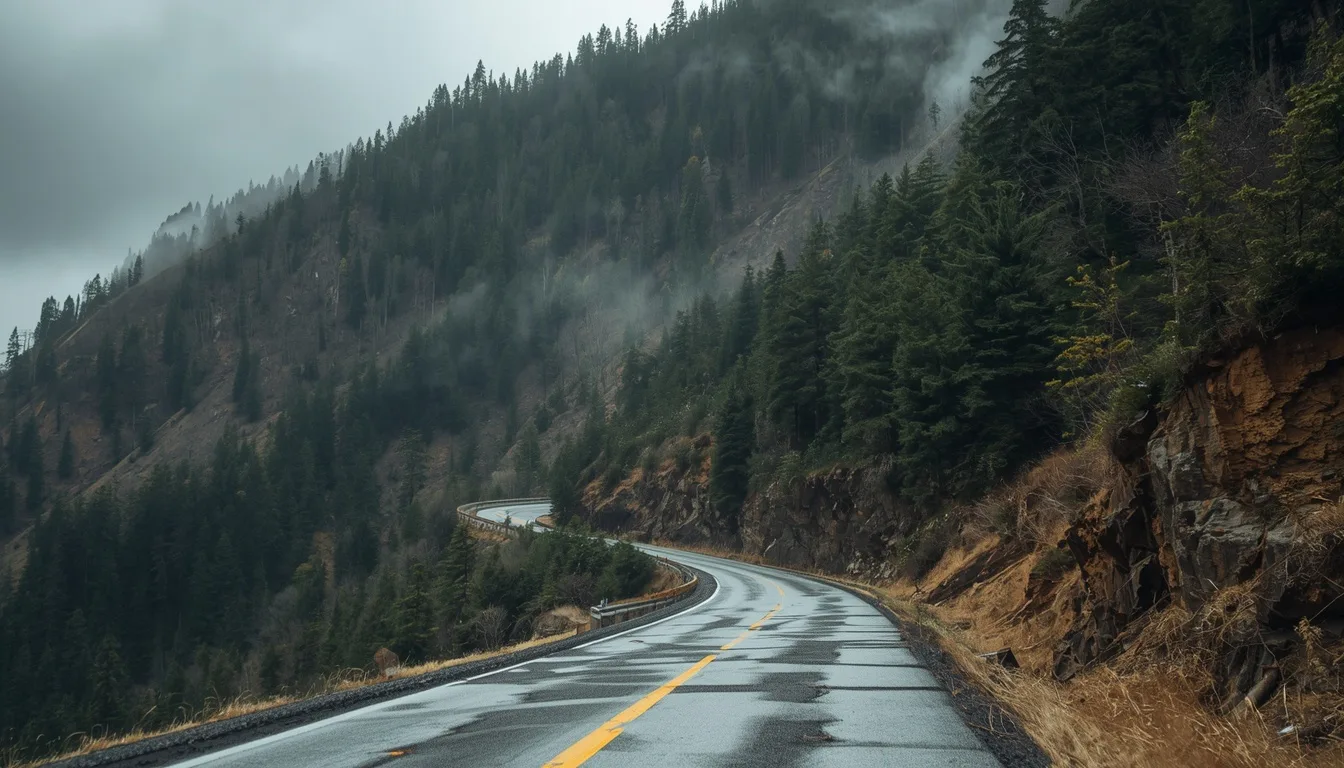
Dead Indian Memorial Road climbs steeply from Ashland toward Howard Prairie Reservoir and the Klamath Basin. What GPS navigation systems often fail to communicate is how punishing this road is on vehicles. The steep grades — some exceeding 12% — combined with tight curves, significant frost heave damage from winter freeze-thaw cycles, and minimal shoulder put real stress on brakes, suspension, and tires. In February 2026, Jackson County officials reported five semi-trucks trapped on the road in a single week when GPS navigation directed drivers onto a route their vehicles could not safely navigate. Passenger vehicles face less dramatic but still significant wear from the road’s rough pavement sections and wildlife collision risk, particularly at dawn and dusk when deer and elk are most active.
Highway 66 over the Greensprings presents different challenges. The tight curves on the west slope east of Ashland are severe enough that ODOT restricts 53-foot semi-trailers from the route entirely. For passenger vehicles, the hazards are sharp corners that penalize any excess speed, rough pavement in the steeper sections, and limited visibility around curves where deer appear suddenly. The pavement quality varies considerably along the route — smoother near Ashland, rougher through the middle sections where maintenance access is more difficult.
Applegate Valley and Rural Jackson County Roads
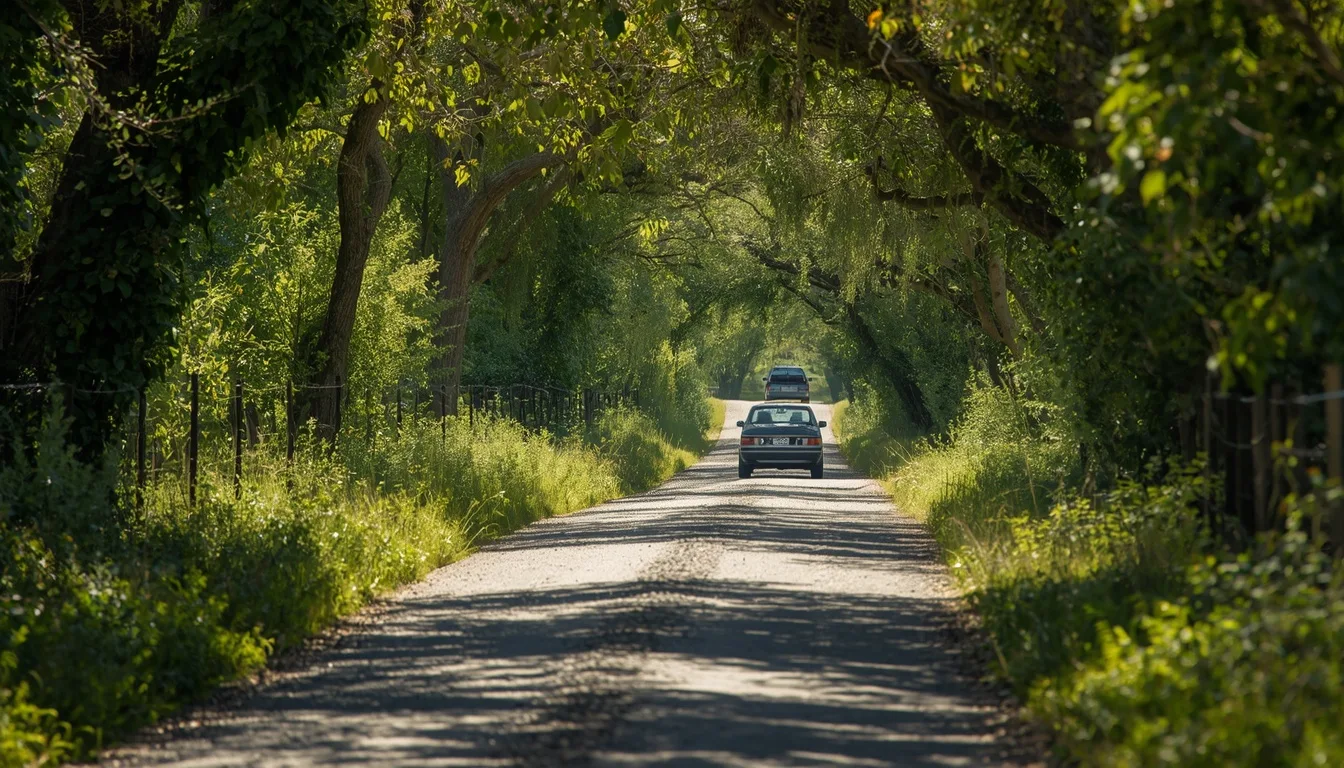
The Applegate Valley is one of Southern Oregon’s great pleasures — wineries, orchards, hiking, and scenery that rivals anywhere in the state. The roads that access it are another matter. Applegate Road and its tributaries are narrow, often with vegetation growing close to the pavement edge. Branches scrape mirrors and door panels. Gravel shoulders send rocks into paint. Passing other vehicles on the narrower sections requires moving toward the shoulder where loose material accumulates.
Table Rock Road between Central Point and the Table Rock trailheads is similarly demanding. The pavement deteriorates noticeably as you move away from Central Point, with crumbling edges and sections where road surface has eroded to the gravel base. The wildlife collision risk here is among the highest in Jackson County — deer crossings are frequent, particularly in the golden hour periods around sunrise and sunset when most hikers are also heading to the trailheads. Hitting a deer at even moderate speed causes front-end damage that frequently involves radiator, hood, headlights, and grille work.
Forest service roads accessing BLM land throughout Jackson County present the most severe damage risk of any regularly traveled routes. These roads are not maintained to the same standard as county or state roads, and rock chips, undercarriage scraping, and suspension stress are essentially guaranteed on any trip longer than a few miles. If you regularly access trailheads, campgrounds, or recreation areas via unpaved forest roads, paint protection film on leading panels and regular suspension inspections are worth the investment.
Medford Urban Road Hazards: The City Streets
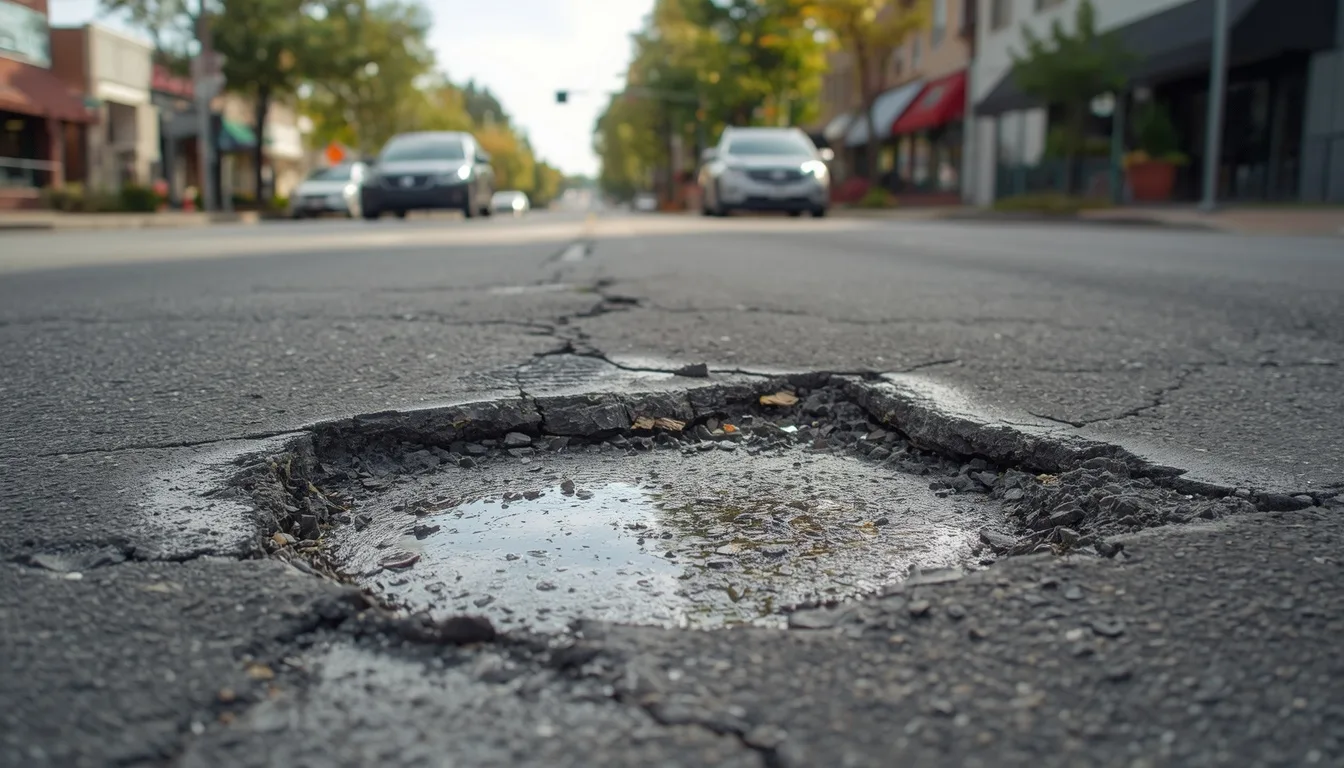
Rural routes get most of the attention, but Medford’s urban streets generate significant vehicle damage — particularly in winter and spring when freeze-thaw cycles have done their work on the pavement. South Riverside Avenue, sections of West Main Street, and several industrial corridors near the airport and freight areas have chronic pavement quality issues that generate suspension and wheel damage for vehicles that hit them at speed.
Potholes are the primary urban hazard. A pothole impact at 35-40 mph can bend a wheel rim, damage a tire sidewall, knock a vehicle out of alignment, or in severe cases bend a control arm or strut. Damage from potholes falls under collision coverage, not comprehensive, because the vehicle struck a fixed object. The repair costs vary — a bent rim and alignment reset might run a few hundred dollars, while structural suspension damage can reach $1,500 or more depending on the vehicle. Get an inspection after any significant pothole impact, even if the car seems to drive normally afterward. Alignment problems develop gradually and are easiest to address before they cause uneven tire wear.
Construction zones on I-5 through Medford add another dimension of urban road hazard. The August 2026 I-5 northbound lane restrictions between mileposts 26.7 and 28.36 are an active example — lane changes, debris from roadwork, and uneven pavement transitions at construction boundaries all contribute to damage. Slow down through active construction zones beyond the posted limit reductions — the speed limits exist because debris and pavement transitions are more dangerous than the signs suggest.
Seasonal Road Hazards Unique to Southern Oregon
Southern Oregon’s climate creates seasonal road hazard patterns that differ from both the consistently wet Willamette Valley and the consistently dry high desert. The Rogue Valley’s mix of intense summer heat, significant day-to-night temperature swings, wet winters with periodic freezing, and wildfire ash seasons accelerates pavement deterioration faster than in more moderate climates.
Summer brings rock chip season — gravel maintenance on rural roads, logging truck activity, and tourist traffic on Highway 62 all peak from June through September. This is the highest-risk period for paint and windshield damage on any route that mixes local and highway traffic. Wildfire ash from August through October settles on vehicles and acts as a mild abrasive — washing it off with a rinse before using any contact washing method prevents the micro-scratches that accumulate over a fire season.
Winter brings freeze-thaw pavement damage that generates new potholes and road debris on routes that had smooth pavement in fall. The Rogue Valley’s temperatures drop enough to freeze moisture in pavement cracks overnight, then warm enough to thaw by midday — a cycle that rapidly expands cracks into potholes. Late winter and early spring are when pothole damage peaks in Medford’s urban areas. Planning routes that avoid the worst-affected streets, or simply slowing down and maintaining awareness, reduces impact damage significantly.
When Road Damage Needs Professional Assessment
Not every rock chip or pothole hit requires a shop visit. But some damage that looks or feels minor is worth having assessed before it worsens or affects safety. At Rogue Auto Body in Medford, we provide free damage assessments — we will tell you honestly what needs attention now, what can wait, and what your options are for repair versus insurance claim.
Paint chips that reach bare metal need attention before Southern Oregon’s rainy season. Alignment changes after pothole impacts need correction before they damage tires and suspension. Windshield chips need repair before temperature swings crack them into replacements. The timing of these repairs matters in our climate — damage that is manageable in summer can become significantly more expensive by spring. Visit our collision repair services page or call (541) 770-2557 for a free estimate. Current road conditions throughout Southern Oregon are posted at TripCheck.com.